

Media Release:
A new Logitech study has revealed that today’s technology decision-makers are avid gamers whose hobby directly shapes their day-to-day approach to evaluating enterprise hardware and software.
Surveying 200 IT decision-makers (ITDMs) across Australia with high-level purchasing authority, all respondents to the company’s latest study said they feel gaming directly relates to core skills they rely on at work, including complex problem solving, performing under pressure and strategic thinking. Furthermore, 92% of ITDMs said they expect workplace tech to be increasingly influenced by gaming tech standards over the next three years.
The results show that gaming is a near-universal daily habit and key influence among Australian tech leaders, serving as a mental proving ground for critical business competencies. Of the participants, 95% affirmed that they personally controlled tech budgets, 79% said they game every day, and 68% reported that they had been gaming for more than 10 years.
“As these new findings show, today’s IT buyers are gamers, and they’re playing a lot more than you might think,” said Damian Lepore, Managing Director at Logitech ANZ. “The crossover between gaming and IT professionals has never been a secret, but it’s interesting to see the sheer scale of the overlap, and how it’s influencing decision-making in the workplace.
“But that’s undoubtedly a good thing. Savvy enterprise tech buyers don’t just shop for features – they stress-test systems and demand friction-free workflows. Managing complex IT infrastructure requires quick thinking, constant adaptation, and staying calm under pressure, and these are the same skills gamers use every day.”
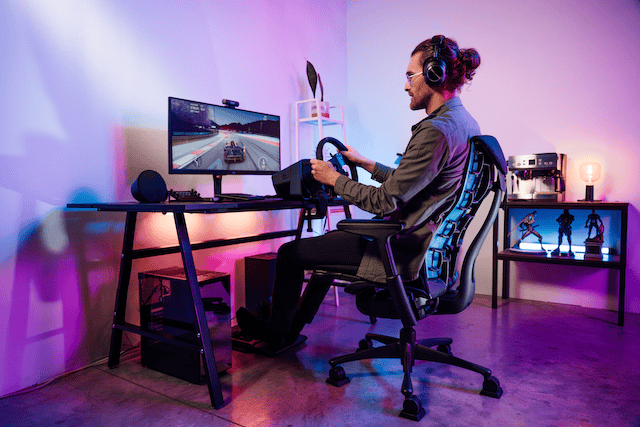
Gaming’s influence is also evident in recruiting top technical talent, with 81% of Australian ITDMs saying they would be more likely to consider a job candidate who lists gaming as a skill on their resume. According to Lepore, the huge and continually growing cultural relevance of video games means this figure is set to increase further in the future.
“This data validates a shift many tech executives already recognise – that modern players are essentially the architects of Australia’s future technical labour pool,” he concluded. “The cognitive flexibility, rapid response times, and analytical capabilities honed in gaming environments are proving to be significant professional assets in the contemporary office.
“This is a phenomenon that will only continue to grow. After all, 17 million Australians play video games, and even in a sports-mad country, gaming’s cultural relevance is huge. As young Aussie gamers are promoted into more senior purchasing roles, the digital literacy and performance psychology skills developed at the consoles and keyboards will have an even greater impact on the working world.”



Recent Comments