
Media Release:
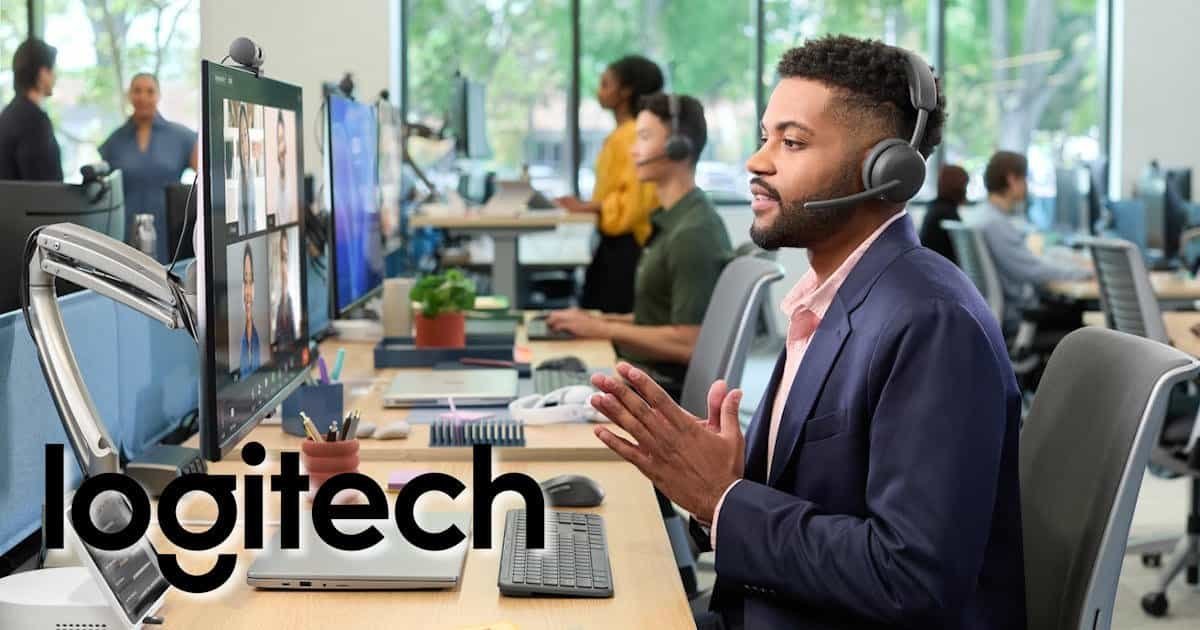
As voice dictation begins to shift into the mainstream of Australian workplaces, Logitech ANZ is highlighting the importance of audio accuracy as office workers look to blend speech into their desk setups.
The rhythmic clicking of keys has long been the drumbeat of the modern office, but new sounds are now being heard as increasing numbers of office workers chat to AI to dictate their messaging, brainstorm, and vibe-code. According to Australian emerging technology analyst firm Telsyte, one in five of the nation’s AI interactions is now voice-based. As these dictation technologies become more widely available, desk tools must evolve and adapt to ensure the audio clarity needed for easy integration.
This is the view of Marisol Vargas, Senior Category Portfolio Manager at Logitech Personal Workspace Solutions ANZ. She asserts that, with talking outpacing typing in words per minute, voice capture is well-suited to many workplace tasks – but only if it works properly.
“From the typewriter to the computer, our fingers have been expressing what we think for over a century,” says Vargas. “However, they can also present a bottleneck. People speak at 130 to 150 words per minute, almost triple the average typing speed. Being able to speak an idea directly onto the page removes a key layer of friction, but only if switching back and forth to keyboards is easy, and voice can be captured properly. Where once headsets and microphones were vital to meetings, now they’re key to opening up entire workflows at individual desks. Whether talking or typing, office workers looking into voice dictation software need to ensure they have hardware that works well across both. After all, AI is only as accurate as the audio it receives.”
Vargas went on to say that while voice capture technology has grown in popularity, the debate is not about replacing keyboards but how the technologies will work in tandem. She maintains that while voice suits first drafts, ideation and informal chats when working on the move, prompts keys are still crucial for tasks that require precision, including editing and data entry.
“The keyboard did not replace the mouse, and nor will voice replace the keyboard,” she concludes. “Each is just a powerful new partner to help extend our potential through our senses – touch, voice, hearing and sight. The future of productivity isn’t touch or voice, but both, working in concert.”
For more information on Logitech Personal Workspace Solutions, click here.


Recent Comments