
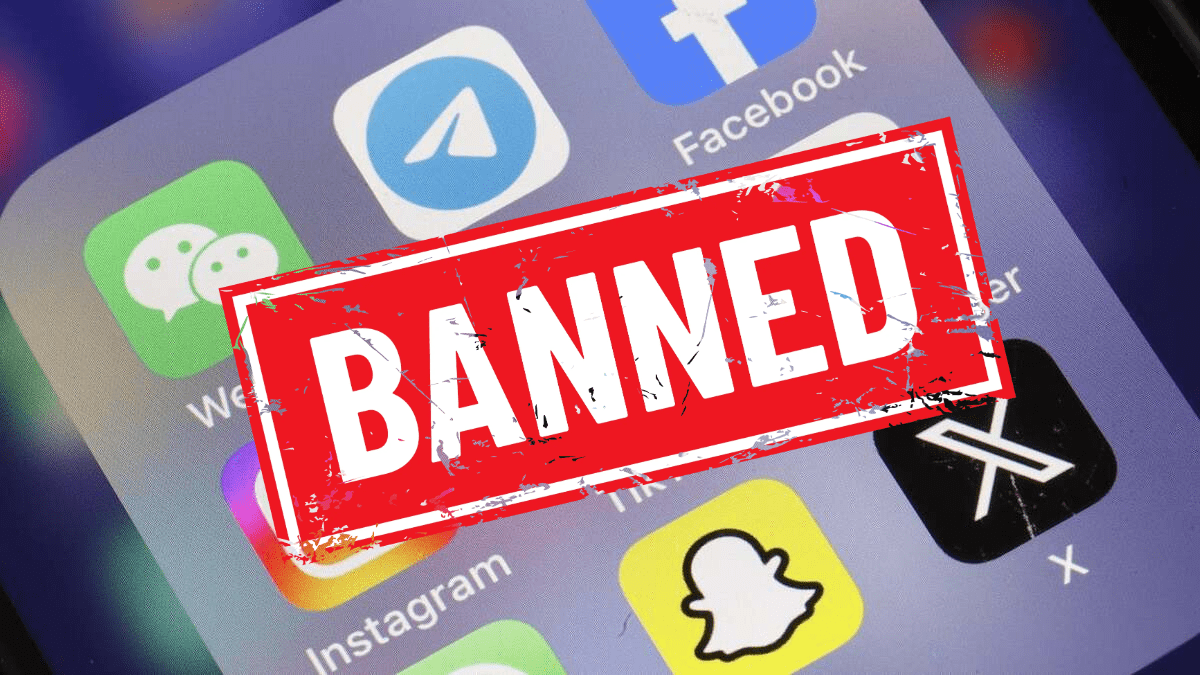
Australia is about to make a significant move. In December 2025, a new law will come into effect that bans social media access for anyone under the age of 16. It’s a bold step, and depending on who you ask, either long overdue or deeply problematic.
The motivation behind it is clear enough. Parents, educators, and health professionals have been raising concerns for years. The mental health toll, the addictive design of platforms, the exposure to harmful content—it’s all been building. And now, the government is stepping in.
But this isn’t just a policy change. It’s a cultural shift. One that forces us to rethink how we let technology shape childhood, and who’s responsible when things go wrong.
The Case for the Ban: Protection in a Digital Wild West
The argument in favour of the ban is rooted in protection. Social media, while useful in many ways, has become a kind of digital wild west. For young users, especially those still figuring out who they are, it can be overwhelming. The risks are real. Cyberbullying, exposure to self-harm content, predatory behaviour, and the constant pressure to measure up to curated perfection can be a lot to handle.
Even for children who seem confident online, the emotional toll can be subtle. It builds slowly. A few negative comments, a missed invite, a comparison that lingers longer than it should. Over time, these small moments shape how a child sees themselves. And not always in healthy ways.
There’s also the issue of data. Children’s personal information is often collected, tracked, and monetised without their full understanding. Parents worry, and rightly so, about what that means long-term. Who has access to that data? How is it used? These questions don’t always have clear answers, and that uncertainty adds to the concern.
Supporters of the ban believe it will give kids space to grow without those pressures. A chance to build confidence offline, to develop social skills in real-world settings, and to avoid the darker corners of the internet, at least for a while. They see it as a reset. Not a permanent solution, but a pause. A way to let children be children, without the constant noise of likes, shares, and algorithm-driven content.
Some also argue that the ban sends a message to tech companies. Childhood should be protected. Those platforms need to be designed with care, not just engagement in mind. It’s not just about removing access. It’s about reshaping expectations.
Of course, even among supporters, there’s a recognition that the ban isn’t perfect. It won’t solve everything. But for many, it feels like a necessary first step.
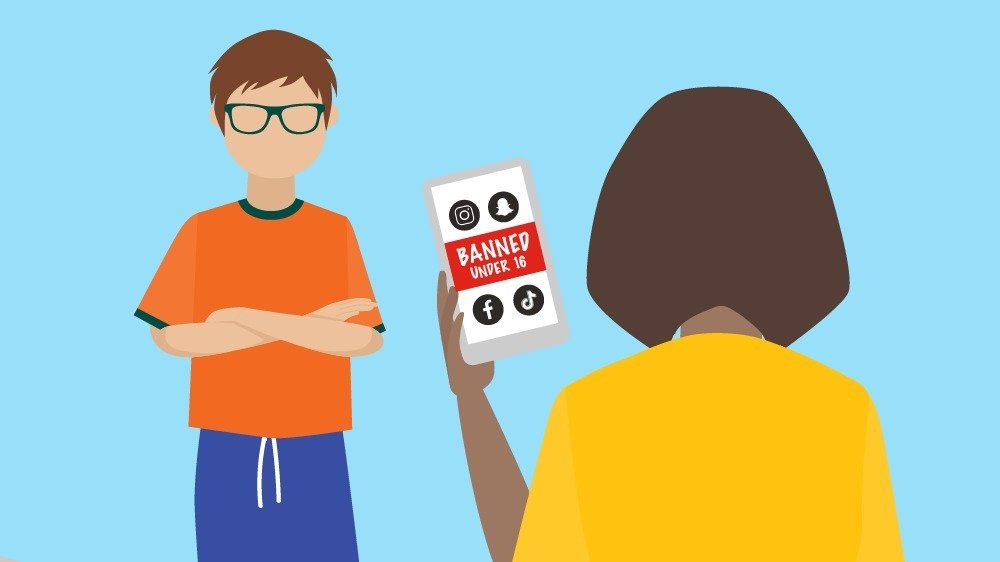
The Case Against: The Cost of Isolation and Digital Literacy
Still, not everyone agrees. Critics argue the ban is too blunt, too sweeping. Social media isn’t just a distraction. For many young people, it’s a lifeline. Especially those in remote areas or marginalised communities. It’s where they connect, find support, and explore identity. Taking that away could lead to isolation, not safety.
There’s also the question of digital literacy. If we remove kids from the online world entirely, are we preparing them for the future? Or just delaying the inevitable? Some believe the better path is education, teaching resilience, critical thinking, and safe online habits. Others worry that by shielding children too much, we risk leaving them unprepared for the realities of digital life.
And then there’s the practical side. Kids are resourceful. VPNs, fake birthdates, borrowed accounts, and workarounds will happen. That could make things even harder for parents trying to guide their children responsibly. Instead of reducing risk, it might just push it out of sight, into spaces that are harder to monitor and even less safe.
The Australian Human Rights Commission has voiced concerns too. They worry about unintended consequences and whether the ban might infringe on rights without delivering the promised benefits. There’s a fear that the policy, while well-intentioned, could end up creating more problems than it solves.
Some educators have also raised questions about equity. Not all families have the same access to alternative forms of connection or learning. For children who rely on digital spaces to engage with peers or participate in communities that support their identity, the ban could feel more like exclusion than protection.
And while the idea of a clean break from social media might sound appealing, the reality is messier. Technology is woven into daily life. Pulling it away, even temporarily, affects more than just screen time. It touches friendships, learning, creativity, and self-expression. That complexity is hard to legislate for.
The Shared Responsibility: A New Era of Parenting and Corporate Accountability
This legislation brings something important into focus. Online safety isn’t just a matter for governments or tech companies. It’s something we all have a role in shaping. While the law places clear expectations on social media platforms to enforce age restrictions, it also opens the door for parents to become more involved in how their children experience the digital world.
Parenting in Practice
Starting the conversation
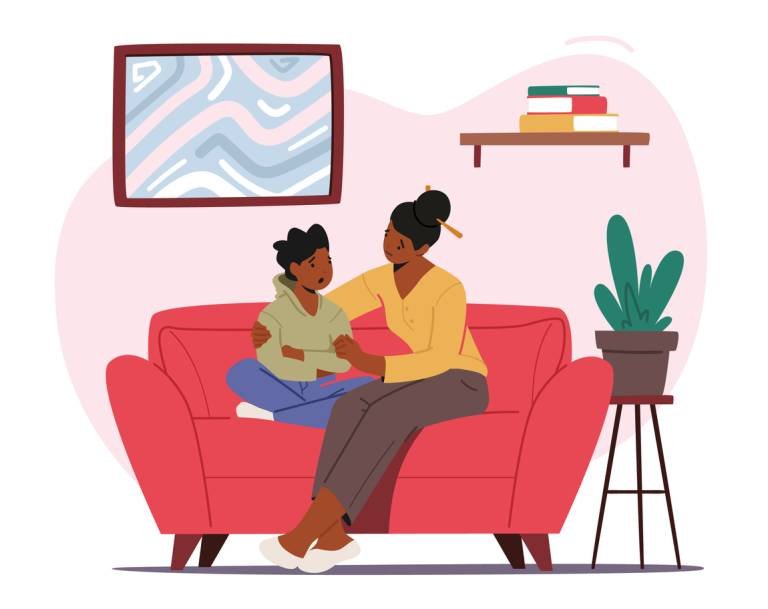
Rather than simply enforcing a rule, parents might use this moment to talk with their children. For me, as a parent of a 12-year-old, that might mean sitting down and saying, “The new law is coming soon. What do you think about it? What do you enjoy online, and what might you miss?” It’s not a perfect script, but it’s a way to listen. To understand. And to build trust.
Supporting connection
Social media often fills a social gap. So if it’s being taken away, even temporarily, it helps to offer something in its place. That could mean encouraging regular meetups with friends, joining a local club, or using messaging apps that are designed with safety in mind. The goal isn’t to replicate the digital experience exactly, but to offer something meaningful in its place.
Building digital resilience
The ban doesn’t mean screens disappear entirely. Parents can still co-watch content, explore educational platforms, and talk about what they’re seeing. How does the algorithm decide what to show? What’s real and what’s misleading? These conversations help children develop the skills they’ll need when they do return to social media later on.
This isn’t just a law. It’s a moment to reflect. To ask how we want our children to grow up in a world shaped by technology. It’s not about finding a perfect solution. It’s about staying involved, staying curious, and helping young people build the confidence to navigate both online and offline spaces with care.
And if you’re interested in how these questions play out in other digital spaces, especially ones designed for younger audiences, you might want to check out our article on Roblox




Recent Comments