
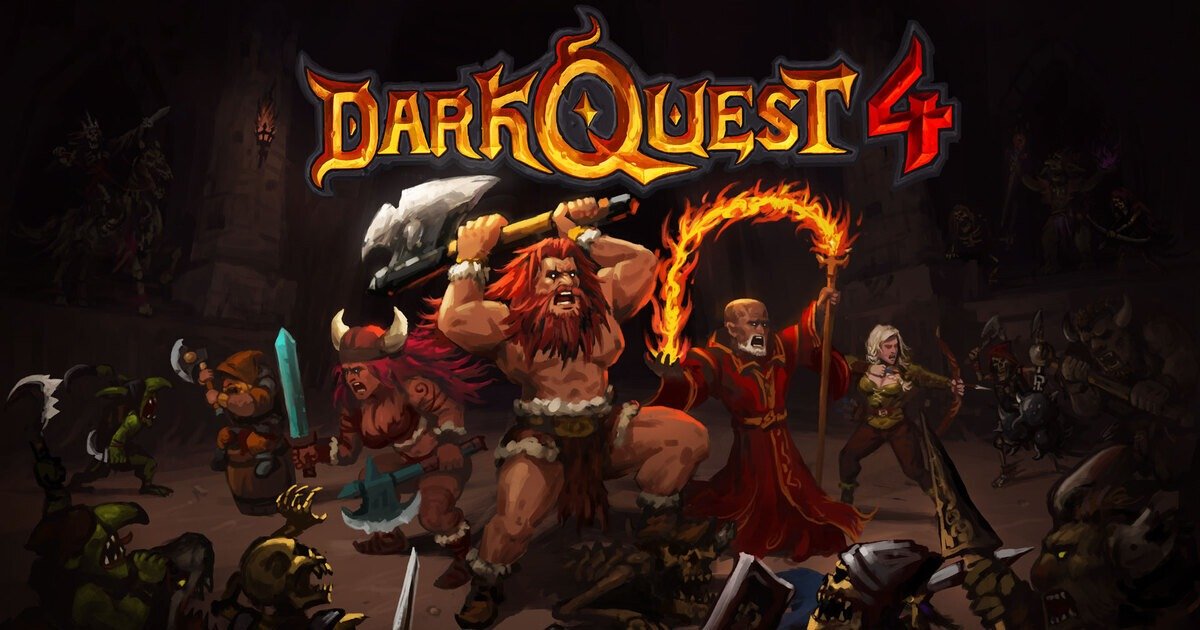
I got my hands on a pre-release key for Dark Quest 4, the latest entry from UK indie studio Brain Seal Ltd. It’s the fourth in the series, and yeah, it leans hard into that old-school dungeon crawler vibe. Turn-based combat, fantasy tropes, and a tabletop-inspired structure — it’s all here. Think HeroQuest, Descent, and Dungeon Saga. That kind of energy.
In Dark Quest 4, you lead a trio of heroes through a grim fantasy world, trying to push back the forces of the Dark Sorcerer. His puppet, Gulak, is the main antagonist, and he’s… well, he’s a problem.
First Impressions & Gameplay
Right off the bat, I felt a bit of Gauntlet nostalgia. The first mission in Dark Quest 4 drops you in with a Dwarf, Barbarian, and Wizard. Movement and combat are turn-based; pretty straightforward, but not dull. The dungeon layouts are simple, but they make you think, which I liked.
As you move through the game, more classes unlock. You’ve got your usual suspects, Elf, Archer, Mage, but also some newer ones like Savager, Lancer, and Fire Mage. I wasn’t sure about the Lancer at first, but they grew on me.
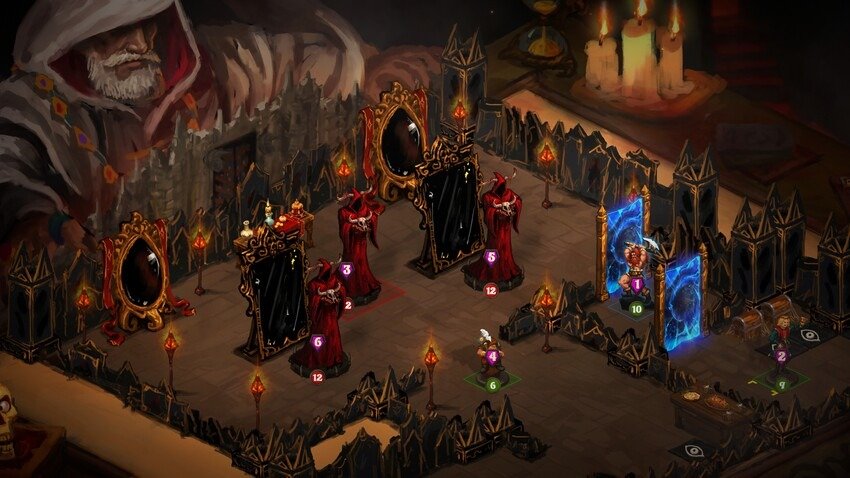
There are over 30 handcrafted quests in Dark Quest 4. That’s a decent chunk, and they’re varied enough to keep things fresh. The monster roster is surprisingly big, 40 types, I think? Some use magic, some just hit hard. I had a few “oh no” moments when I underestimated a group.
You can only take three heroes per quest, which forces you to think strategically. They get fatigued after missions, so you can’t just spam your favourites. If they rest for two quests, they get a bonus. If they die, you need to wait a turn. It’s a nice touch, adds a layer of planning without being punishing.
I had to replay a few quests just to figure out the right mix of heroes. Some combinations just didn’t work. Others clicked unexpectedly. That trial-and-error loop felt satisfying, not frustrating.
The main goal in Dark Quest 4? Defeat Gulak, stop the darkness, and find the missing villages. It’s not overly complicated, which works in its favour.
Hero Management & Progression
You get ten unique heroes in Dark Quest 4. That’s plenty to work with, honestly. Each one feels distinct enough, and you start to get a sense of their personalities, or at least their quirks, as you play. They can be trained at the Hero Camp, which unlocks new abilities over time. It’s not overly complex, but there’s enough depth to keep you tinkering. The game uses a card system for skills and gear, again, very HeroQuest-like. It’s simple, intuitive, and kind of nostalgic if you grew up with that style of play.
Now, choosing who gets what card… that’s where things get a little fiddly. I mean, it’s not broken or anything, but I definitely gave a healing potion to the wrong hero more than once and immediately regretted it. You think you’re being clever, then your Mage gets one-shot and you’re staring at your Barbarian holding a potion he doesn’t even need. But that’s part of the charm, I think. You learn as you go. Sometimes the mistakes are what make the victories feel earned.
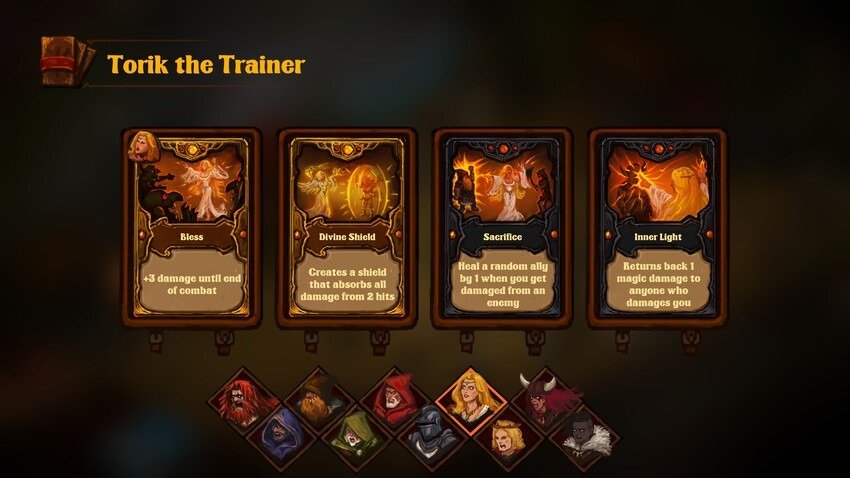
Some heroes are clearly better suited for certain quests. A Knight might tank through a monster-heavy dungeon, no problem. But throw him into a trap-filled maze and he’s just… clunky. I found myself switching between brute force and finesse depending on who was alive, rested, or just, I don’t know, not annoying me that day. There were times I picked a team just because I hadn’t used them in a while. That didn’t always go well.
And fatigue plays a bigger role than I expected. You can’t just spam your favourites. After a mission, they need to rest. If they sit out two quests, they come back with a rested bonus, which is nice. But if they die? You’ve got to wait a turn before they’re usable again. It forces you to rotate your roster, which I actually appreciated. It made me try out heroes I might’ve ignored otherwise.
There’s a bit of trial and error in finding the right mix. Some quests I breezed through, others I had to restart a couple of times. Not because the game was unfair, but because I was stubborn. I kept trying to brute force my way through with the same team, and Dark Quest 4 was like, “Nope. Try again.” Eventually, I did, and it felt good when it clicked.
Creator Mode
This part’s pretty cool. In Dark Quest 4, you get to step into the role of Dungeon Master and build your own quests, even full campaigns if you want to go all in. The level editor is surprisingly flexible. You can create multi-floor dungeons, drop in traps, monsters, treasure, event rooms, all the usual ingredients. It’s not just cosmetic either; you’re shaping the actual flow and challenge of the adventure.
Sharing is built in. On PC, it’s integrated with Steam Workshop, so uploading and downloading community-made quests is easy. I played on Xbox, so I didn’t get to test that side properly, but from what I’ve seen, it’s promising. If the console version gets similar support, it could be a huge win.
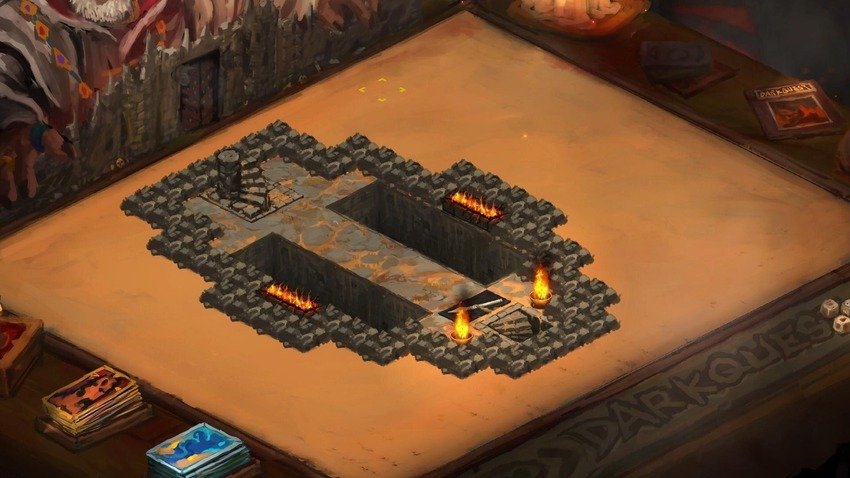
Honestly, this mode could keep Dark Quest 4 alive for ages. There’s no real limit to what players can create. If the community gets behind it, and that’s always the wildcard, you’re looking at a game that evolves well beyond its launch content. Endless dungeons, weird experiments, brutal challenges, maybe even full-on story arcs. It’s the kind of feature that could quietly become the heart of the game over time.
I do wish I’d had more time to explore it. There’s something satisfying about crafting a dungeon specifically designed to mess with your friends.
Multiplayer
Co-op mode in Dark Quest 4 lets you team up with friends, each controlling one hero as you take on dungeons together. It’s not competitive, more like a shared tabletop session, where coordination matters more than individual glory. You’re strategising, reacting, sometimes arguing over who should open the suspicious-looking door. It’s fun.
Loot is shared, which keeps things friendly. No scrambling for gear or awkward “I saw it first” moments. And the best part? Your character progress carries back to your own game. So you can level up, unlock abilities, and still benefit when you jump back into solo play. It’s a smart system that respects your time.
Between Creator Mode and co-op, there’s a ton of replayability. You could build a dungeon specifically designed to frustrate your friends, traps everywhere, no healing, just chaos. I mean, I would. Probably already planning it.
The social aspect adds a lot. It’s not just about beating the game, it’s about how you beat it, who you beat it with, and the stories that come out of those sessions. That’s where the tabletop spirit in Dark Quest 4 really shines through.
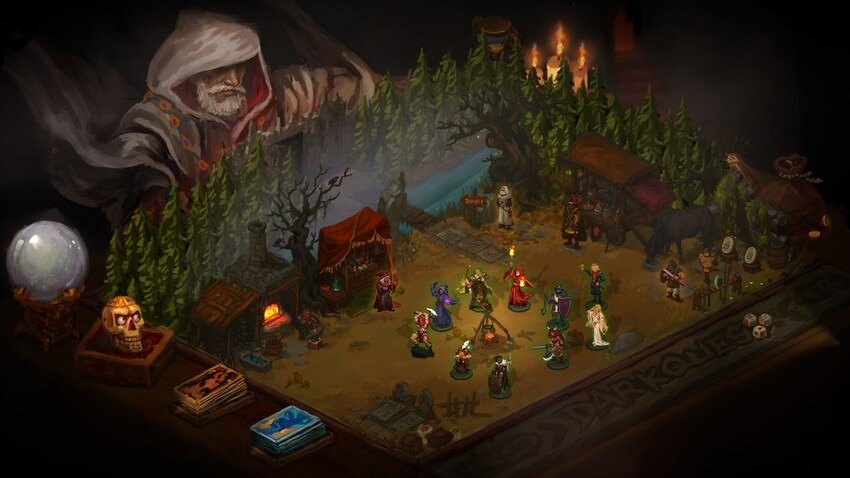
Dark Quest 4 launched on PC, Xbox, Switch, PS4, and PS5 on November 5. If you’re into tactical dungeon crawlers with a tabletop soul, it’s worth checking out. It’s not perfect — a few rough edges here and there — but it’s ambitious, and it knows exactly what kind of game it wants to be. It’s the kind of title that grows on you the more you play, especially with friends.
Please consider supporting the author through his “Buy me a Coffee” page.




Recent Comments