
For a generation of parents, platforms like Roblox have felt like a digital playground. We’ve watched our children, giggling and collaborating with friends, creating imaginary worlds, navigating obstacle courses, and designing their own virtual spaces. It seemed to be the harmless, creative outlet we hoped the digital world could be. But a growing body of evidence, including lawsuits, government action, and damning investigative reports, is forcing a reckoning with a far darker reality.
The question is no longer “Is Roblox fun?” but rather, “Is Roblox safe?”
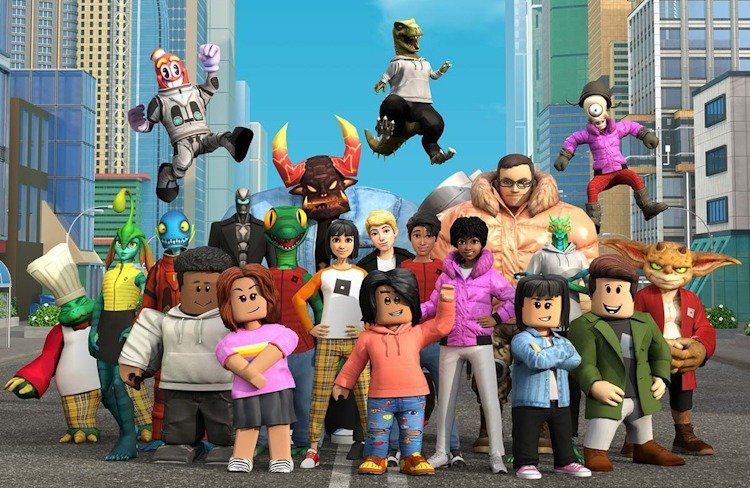
I’ve always thought of myself as a reasonably tech-aware parent. Not an expert, maybe, but I understand screen time limits and the value of talking openly with my kids about what they’re seeing online. We’ve had those conversations. And for the most part, they’ve gone well.
Roblox came into our lives during the first lockdown in 2020. The kids found it through friends, probably a group chat or a YouTube video, I don’t remember exactly. It was something they could play together, even while stuck at home. I remember setting up their accounts, adjusting privacy settings, and trimming their friend lists down to actual classmates. We talked about safety. About not chatting with strangers. About how just because someone seems friendly doesn’t mean they are.
At the time, I was working from home, and my wife had been furloughed, so we were around. We could hear the games, peek over their shoulders, ask who they were playing with. It felt manageable.
Eventually, I made an account too. After work, I’d join them for a few rounds, not really my kind of game, but I wanted to see what they were doing. Connect a little. Most of what I played were puzzle-style platformers, or builder games that reminded me of Sims or Minecraft. Theme park simulators, too. Harmless stuff. And since their accounts were locked down to real-life friends only, I didn’t see much else. No weird messages. No strangers popping in. Just kids building things and laughing.
So when the headlines started rolling in, stories about predators, unsafe content, hidden chat rooms, it felt… off. Like, the version of Roblox we knew didn’t match what people were describing. Maybe we’d just been lucky. Or maybe we’d been watching more closely than most. I’m not sure.
What I do know is that Roblox is huge. Messy, in a way. It’s built by users, shaped by them, and that makes it hard to control. There’s creativity, yes, but also unpredictability. And I guess that’s the part I hadn’t really considered until now.
The Dangers Lurking in the Digital Playground
There’s no sugarcoating it; recent investigations and mounting research have exposed some deeply troubling safety issues. The term “technology-facilitated sexual assault” (TFSA) isn’t just academic jargon anymore. It’s a stark reality. Online platforms, including those marketed to children, are increasingly being used to expose young users to sexual content and grooming tactics. And it’s happening earlier than most of us would like to believe.
Back in 2021, Susan McLean and Dr Jo Tully spoke at the Royal Children’s Hospital Melbourne. Their presentation, “No Filter: Technology-facilitated sexual assault and implications for paediatric practice,” drew heavily from research by the Victorian Forensic Paediatric Medical Service (VFPMS). They looked closely at how TFSA plays out, its patterns, its frequency, and how the nature of online interactions can quietly create conditions where abuse becomes possible. Not inevitable, but possible. That distinction matters, though it’s a thin one.
Since then, the conversation has shifted from theory to accountability. And Roblox, in particular, has come under fire.
- Predatory Behaviour and Grooming – This is, without question, the most disturbing issue. Despite having filters in place, Roblox has seen multiple reports and actual law enforcement actions against adults using its chat features to groom children. The platform’s openness makes it easy for predators to build trust, steer conversations off-platform, and in some cases, cause real-world harm. The lawsuit filed by the Louisiana Attorney General accuses Roblox of “knowingly and intentionally” failing to protect its youngest users. That’s not just a warning, it’s a legal escalation.
- Inappropriate and Explicit Content – Roblox does have age gates. But they’re not foolproof. Games with sexual or violent themes still slip through, often buried in the sheer volume of user-generated content. “Condo games,” which allow for virtual sexual roleplay, have been a particular flashpoint. Moderators try to keep up, but it’s like scooping water out of a leaking boat. You plug one hole, another opens.
- The “Vigilante” Problem – Here’s where things get messy. Some YouTubers and independent researchers have taken it upon themselves to run sting operations, posing as children, exposing predators, and publishing their findings. Instead of collaborating, Roblox has banned many of them, arguing that these actions interfere with official safety protocols. Critics say it’s more about optics than safety. And honestly, it’s hard not to wonder if they’re right.
- Parental Controls That Don’t Quite Hold – Roblox does offer parental controls. There’s a dashboard, filters, and chat restrictions. But critics argue they’re too easy to bypass. A child can enter a fake birthdate and unlock features meant for older users. Yes, the company has added verification tools and AI moderation. But the core issue remains: if a child is determined, or just curious, they can still end up somewhere they shouldn’t.
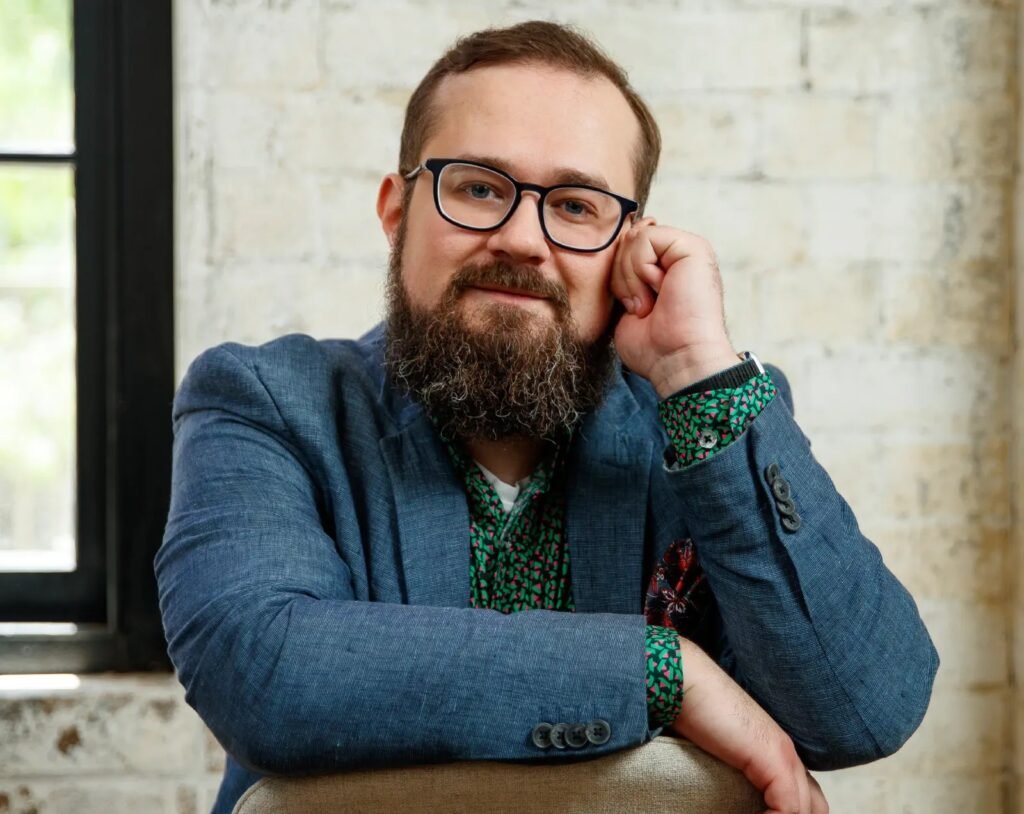
I spoke with David Pirogov, co-founder of DadLAN, an Australian charity focused on reducing loneliness and supporting mental health for men and fathers. He offered a candid perspective, drawing not just from his own experience, but from conversations with other dads navigating the tricky balance between digital freedom and safety.
“To me, the answer’s simple,” David said. “I won’t let my kids use Roblox.”
He didn’t hesitate. “The systems just aren’t there to protect children. And I can’t be hovering over them every minute, checking who they’re talking to or what they’re seeing.”
When we shifted the conversation to other platforms, David seemed more at ease. He felt he had options, tools that gave him a bit more control.“At DadLAN, we help dads stay ahead of this stuff. Online safety, digital boundaries, that kind of thing. I’ve got a private Minecraft server, for example. I decide who gets access, and I can keep an eye on how people interact. My kids are still a bit young for gaming, but when the time comes, assuming they’re into it, that’ll probably be one of the first games they try,” he said, with a small laugh.
It wasn’t a blanket rejection of technology. More like a cautious, hands-on approach. One that many parents might quietly relate to, even if they haven’t said it out loud.
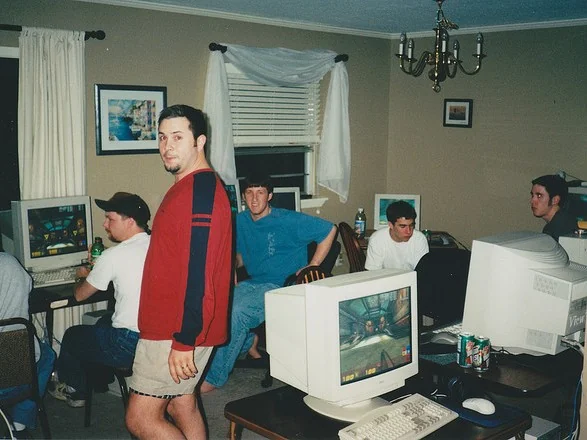
The online gaming world today feels miles apart from the one I grew up in. To be fair, I was an early adopter, back when “computer gaming” still sounded vaguely futuristic. But for my generation, playing multiplayer meant physically showing up. You’d lug your PC over to a mate’s house, set up in the living room or garage, and spend the weekend at a LAN party.
Predators weren’t really part of that equation. The biggest threat was Steve rocket-sniping you in Quake while you were still figuring out the controls. It was chaotic, sure, but it was also local. You knew everyone in the room.
Things have changed. We’ve been careful with social media—locked down accounts, talked about privacy, and kept an eye on what gets shared. But the people behind these crimes, the ones who deliberately target children, have shifted too. They’ve moved into the places where kids now gather. And that includes gaming platforms.
It’s not about panic. It’s about recognising that the rules have changed, and the risks aren’t where they used to be.
A Parent’s Reflection: The Ultimate Decision
For parents who grew up with cartridge games and backyard play, platforms like Roblox can feel… foreign. Not just unfamiliar, but layered in ways that are hard to track. We want our kids to explore, to connect, to be part of something. But we also carry a quiet, persistent fear because the internet doesn’t come with fences. And it rarely warns you before something goes wrong.
Experts have called it a world with “no filter,” and honestly, that feels accurate. The risks aren’t always obvious. But when they surface, they can be devastating.
So what does that mean for those of us who consider ourselves tech-savvy? It means we can’t rely on the old assumptions that most games are harmless, that digital play is just a modern version of the schoolyard. Because it’s not. No teachers are watching from the sidelines. No clear boundaries. Just an open space where anyone can enter, and not everyone comes with good intentions.
For some parents, that realisation leads to a hard decision: banning the platform altogether.
It’s not easy. Roblox is more than just a game; it’s a social hub, a creative outlet, a way for kids to feel part of something. Taking it away means cutting off a source of joy and connection. But for a growing number of families, the risks: predators, inappropriate content, and grooming, feel too high. And banning it becomes the simplest way to remove the constant need for vigilance. No more checking chat logs. No more wondering if the filters are working. Just… peace of mind.
It’s not a perfect solution. But it’s a clear one. A way to create a space that feels safe, even if it means stepping away from something popular. Especially when the platform’s own safety measures feel inconsistent, or worse, performative.
The headlines we’ve seen lately aren’t just clickbait. They’re warnings. Roblox, for all its creative promise, reflects the internet as it really is: brilliant, chaotic, and sometimes dangerous. It shows us what’s possible, but also what’s at stake.
And for parents, that’s the takeaway. The fun is real. So are the risks. And sometimes, the most powerful tool we have isn’t a setting or a filter, it’s the decision to say “not here.”
At DezDoes, when we publish opinion pieces like this, we always include sources so you can explore the research yourself. Transparency matters—especially when the stakes are this high.
Sources:
- “No Filter: Technology-facilitated sexual assault and implications for paediatric practice” from The Royal Children’s Hospital Melbourne: https://blogs.rch.org.au/grandrounds/2021/06/09/no-filter-technology-facilitated-sexual-assault-and-implications-for-paediatric-practice/
- “Risks to children playing Roblox ‘deeply disturbing’, say researchers” from The Guardian: https://www.theguardian.com/technology/2025/apr/14/risks-children-roblox-deeply-disturbing-researchers
- “Roblox: The Gaming Platform With a Predator Problem” from Bloomberg’s Big Take podcast: https://www.youtube.com/watch?v=MxHg_SP-iDI
- “Roblox faces lawsuit claiming it allows sexual predators to victimize kids” from Good Morning America: https://www.youtube.com/watch?v=KXqqlMybP1g
- ““Why did you do nothing?”: Schlep calls Roblox’s defense of his ban “a joke,” says platform ignored predators” from Times of India: https://timesofindia.indiatimes.com/sports/esports/news/why-did-you-do-nothing-schlep-calls-robloxs-defense-of-his-ban-a-joke-says-platform-ignored-predators/articleshow/123448974.cms
- “Child safety on Roblox” from Wikipedia: https://en.wikipedia.org/wiki/Child_safety_on_Roblox
Roblox Official Statements:
- “Roblox Responds to Louisiana AG Lawsuit” from Roblox’s Newsroom: https://corp.roblox.com/newsroom/2025/08/roblox-responds-to-louisiana-ag-lawsuit
Please consider supporting the author through his “Buy me a Coffee” page.




One Comment
[…] And if you’re interested in how these questions play out in other digital spaces, especially ones designed for younger audiences, you might want to check out our article on Roblox […]
Comments are closed.