

Third entry in the Redragon Pro Series Ecosystem coverage
I’ll admit, this was the one I was nervous about. The Galatin Pro keyboard surprised me, the Trident Pro mouse impressed me, but headsets are different. I’ve been using the Razer Kraken Pro V4 for a while now, and I love them. They’ve become my comfort zone, the kind of gear you stop questioning because it just works and feels familiar. So when I picked up the Zeus Pro, I had that little voice in the back of my head saying, “This is where the budget cracks will show.”
Turns out, not quite.
The first time I slipped them on, I was waiting for that telltale cheapness, the plasticky creak, the padding that feels hollow, the audio that sounds fine until you push it. But the Zeus Pro didn’t give me that moment. The frame felt solid, the ear cups sat comfortably even for a glasses-wearing individual like myself, and the sound had more depth than I expected. I kept thinking, okay, maybe the mic will be the weak link, or maybe the wireless will drop out, but each time I tested another feature, it held steady.
It’s not identical to my Kraken Pro V4, and I wouldn’t pretend it is, as they are 650% times the price. The sound signature is different, the fit is slightly firmer, and the RGB lighting feels more like an extra than a centrepiece. But instead of feeling like a downgrade, it felt like a different take, one that still managed to deliver enough confidence that I didn’t feel like I was settling.
That was the surprise. I went in bracing for disappointment, and instead I found myself thinking, this actually belongs in the ecosystem.
First Impressions
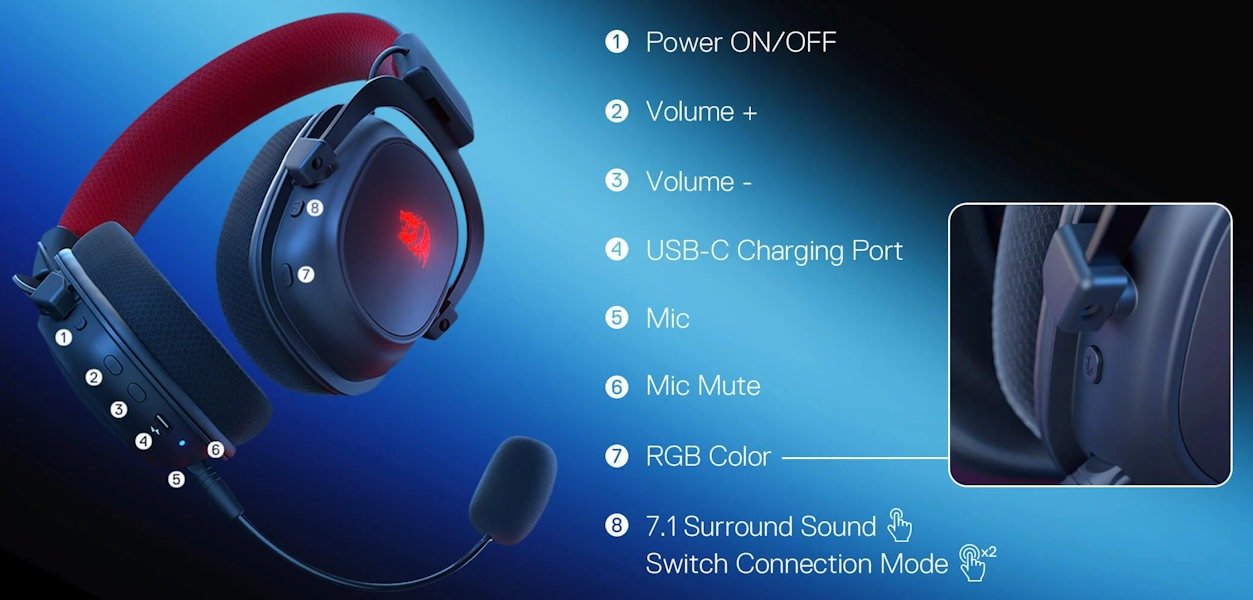
The Zeus Pro feels sturdier than I expected. The metal frame gives it a reassuring weight, and the memory foam ear cups are soft without collapsing. I’ve tried cheaper headsets before where the padding feels like it’s filled with air, and after an hour, you’re pressing against plastic. Which just doesn’t sound painful, it is, especially when you are wearing glasses. This wasn’t that. I wore it through a couple of long sessions, one gaming, one editing video, and I didn’t feel the need to rip it off halfway through. That alone was a relief, as there is a reason I pay too much for headsets, comfort is everything.
It’s not feather‑light, but it doesn’t clamp too hard either. Somewhere in that middle ground where you forget you’re wearing it until you take it off. I caught myself a few times standing up, headset still on, and only realised when my housemate looked at me weirdly, or I thought I was going deaf because I couldn’t hear her. That’s how natural it felt. The balance between weight and comfort is tricky, and I think Redragon got it right here.
The ear cups are large enough to cover without pressing awkwardly, and the padding has that slow rebound feel that makes you think it’ll last. I’ve had headsets where the foam starts to flatten after a month, and you can tell it’s not going to hold up. I’ve even reviewed a headset I spoke about how comfortable it was, just for this to happen. So I waited until the end to review the Zeus Pro, but I didn’t get that impression; I wanted to make sure, and they are still perfect, like I took them out of the box yesterday. The build feels more premium than the price suggests, which was the first sign that maybe my worries about this being the weak link were misplaced.
Even the little details stood out. Adjusting the headband didn’t squeak, the hinges didn’t feel flimsy, and the overall finish was clean. It’s not flashy, but it doesn’t need to be. The first impression was simple: this is a headset that feels like it belongs in the same lineup as the Galatin Pro keyboard and Trident Pro mouse. And that gave me a bit more confidence going into the rest of the testing
Build Quality
The Zeus Pro avoids the “cheap plastic” trap. The metal frame feels durable, and the ear cups don’t squeak when you adjust them. I’ve had headsets where every movement sounded like a creaky chair, and it instantly kills the illusion of quality. This one doesn’t do that. It feels more premium than the price suggests, with a sturdiness that makes you think it’ll hold up to daily use without falling apart after a few months.
The padding is firm enough to feel supportive but soft enough that you don’t notice it pressing against your head. I’ve twisted the band a couple of times just to see if it would flex awkwardly, and it held its shape without complaint. That gave me a bit of confidence that it’s not going to snap the first time it gets tossed onto the couch or stuffed into a bag…. which may have happened a couple of times.
The RGB lighting is subtle. It’s there, it syncs with the rest of the Pro series, but it doesn’t scream for attention or turn your room into a 1980s European disco. As someone who isn’t the hugest fan of RGB, I like how subtle it is, so I kept it on because it looked good with the keyboard and mouse, but I wouldn’t miss it if it wasn’t there. It’s more of a nice‑to‑have than a selling point. The glow is soft, not blinding, and it adds just enough personality to make the headset feel like part of the ecosystem.
Overall, the design feels practical. It’s not trying to reinvent the headset, but it doesn’t feel disposable either, like those cheap Aliexpress headsets every mum buys for their kid. And for something under $100 AUD, that balance between durability and restraint is exactly what makes it stand out.
Audio Quality
The 53mm drivers are the headline spec here. Bigger than the usual 40mm or 50mm you see in budget headsets, and you can tell. The soundstage feels wider, with bass that has some punch without drowning everything else. I tested it with a mix of games and music, a few rounds of Farlight 84, then some tracks I know well enough to catch flaws.
The bass leaned a little heavy at times, but not in a way that ruined the experience. Explosions had weight, voices stayed clear, and I didn’t feel like I was missing detail. Compared to my Kraken Pro V4, the Zeus Pro doesn’t quite hit the same depth or refinement, but here’s the thing: I know comparing these two isn’t really fair. The Kraken Pro V4 sits in a different tier, maybe several teirs above, and yet the Zeus Pro came closer than I expected.
If someone told me these were a $250 headset, not the whole ecosystem, just the headset alone, I think I’d believe them. That’s how convincing the audio performance feels in practice. For under $100 AUD, it’s impressive to the point where I had to stop and remind myself of the price. Yet, I feel like I’ve said that in every review of the Redragon Ecosystem. It’s not perfect, but it’s far better than what I braced myself for. And that gap between expectation and reality is what makes the Zeus Pro stand out.

Wireless Freedom
This is where the Zeus Pro really surprised me. The 2.4Ghz wireless connection stayed stable, even when I walked across the room or to the fridge to get a drink…. or more Dubai Milk Chocolate Bar (I’m sorry, I love them). No lag, no weird dropouts. I’ve had headsets in this price range that felt like they were guessing at the signal half the time, cutting in and out like they were trying to hold onto a weak Wi‑Fi connection, and that was all while sitting at my desk. This one didn’t. It just stayed locked in, which gave me more confidence to actually use it wirelessly instead of defaulting to a cable out of habit.
For couch gaming or just keeping your desk clean, it makes a difference. I found myself moving more freely, leaning back, shifting around, without worrying about cables snagging or dragging across the desk. That freedom changes how you use a headset; you stop thinking about it as a tether and start treating it like part of the setup. In the past, I’ve often found it easier to hook up my wireless earbuds, as I know and trust them more than my headsets. And that has been purely for the freedom, something I didn’t think I’d get from a $100 headset.
And when I did need to plug in an Xbox or an iPad, the 3.5mm option was there. It’s not flashy, but it’s practical. I tested it on my iPad during a commute, and while it’s not the sleekest travel headset, it worked without fuss. Switching between wireless and wired felt seamless enough that I didn’t have to stop and fiddle with settings.
Battery life plays into this, too. Knowing I could run wireless for hours without worrying about it dying mid‑match made me trust the headset more. I’ve had cheaper ones where you’re constantly checking the charge, or worse, they cut out mid‑game and leave you scrambling for a cable. The Zeus Pro didn’t give me that anxiety.
It’s not the kind of wireless that tries to reinvent the wheel, but it’s reliable. And at this price, reliability is the feature that matters most.
Microphone Test
I always brace myself for disappointment with headset mics. Too many sound muffled or tinny, like you’re talking through a sock. The Zeus Pro’s mic was clearer than I expected. I jumped into Discord, asked a friend for feedback, and they said it sounded “surprisingly clean.” Not studio‑grade, sure, but not the kind of mic you’d apologise for using either. That alone felt like a win, and comes as a shock. As I’ve often found that companies either spend their money on sound or microphones when trying to save costs on headsets. Redragon seemed to have the perfect line of giving us both.
I tested it across a couple of different scenarios, a casual chat, a quick recording, and even a video call for work. Each time, the feedback was consistent: clear enough to be taken seriously, without the hollow echo you sometimes get at this price point. It doesn’t have the warmth or depth of a dedicated standalone mic, but it’s steady, and that steadiness matters more than anything when you’re mid‑conversation.
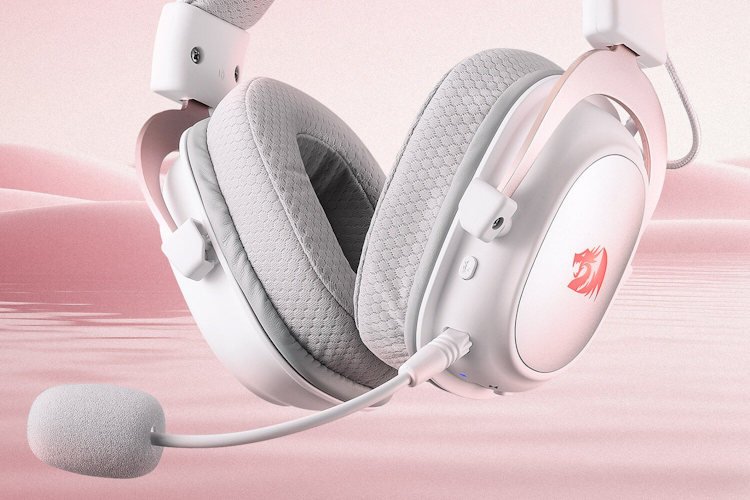
For students, WFH setups, or casual streaming, it’s more than serviceable. And that’s a strong selling point at this price. I kept thinking about how many budget headsets I’ve tried where the mic was basically unusable, forcing you to buy a separate USB mic just to sound halfway decent. With the Zeus Pro, you don’t feel that pressure. You can jump into a call, stream a game, or record a quick voiceover without worrying that people will complain about your audio.
It’s not perfect, I noticed it picks up a bit of background noise if the room isn’t quiet, and the tone can lean slightly flat compared to higher‑end options. But for under $100 AUD and it being a headset mic, it’s shockingly competent. The kind of mic that makes you stop and think, okay, maybe I don’t need to spend extra right now. And that practicality is exactly what makes the Zeus Pro stand out in this ecosystem.
Everyday Use
Day to day, the Zeus Pro feels like an all‑rounder. I used it for gaming, music, and a couple of video calls. It didn’t excel in one area so much that it overshadowed the others, but it didn’t stumble either. That balance makes it easy to trust, and it’s the same kind of quiet reliability I noticed with the Trident Pro mouse. Nothing flashy, nothing trying too hard, just a headset that does its job without making you think about it.
I did notice the ear cups get a little warm after extended use. Not unbearable, just something I caught myself adjusting for. Comfort is always subjective, though, and I think most people will find it fine. Compared to the Galatin Pro keyboard, which felt instantly natural under my fingers, the Zeus Pro took a little longer to fade into the background. But once it did, I stopped noticing it, which is probably the best sign you can ask for in everyday use.
And as someone who isn’t a huge fan of using headsets, as I’ve found very few I like or can wear for long periods, this is quite the compliment. I find myself being a little more sensitive to wearing them, and it takes me a little longer to get used to them.
What stood out most was how seamlessly it slotted into the ecosystem. The RGB sync with the keyboard and mouse gave my desk a unified look, and the wireless connection meant I could lean back or move around without breaking that flow. And that is having all 3 running wirelessly, no interference or clashing. It’s not the kind of headset that tries to dominate your setup; it’s more like the steady companion that ties everything together.
And honestly, that’s been the theme across all three devices. The Galatin Pro surprised me with polish, the Trident Pro impressed me with practicality, and the Zeus Pro rounds it out with versatility. Together, they make the “Sub‑$250 Wireless Ecosystem” feel less like a marketing pitch and more like something you could actually live with day to day.
Value and Positioning
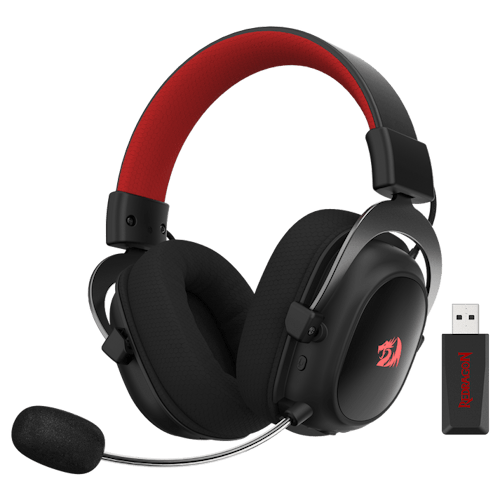
At $94.40 AUD (down from $118), the Zeus Pro lands in that rare spot where price and performance don’t feel mismatched. The wireless connection held steady, the audio had enough punch to keep me engaged, and the mic didn’t leave me sounding like I was trapped in a tin can. More importantly, the build feels like it’s meant to last, which isn’t something I usually say about headsets under $100.
It’s not replacing my Kraken Pro V4; that’s a different league, but the fact that it came as close as it did genuinely surprised me. If someone told me this headset alone retailed for $250 AUD, I wouldn’t immediately question it. That’s how convincing the overall package feels once you’ve spent time with it.
The Zeus Pro doesn’t try to be flashy or revolutionary. Instead, it delivers a balanced mix of comfort, sound quality, and practicality that makes it easy to recommend. For anyone looking to build a setup without draining their wallet, whether it’s a student, a younger gamer, or just someone who wants reliable gear, this headset makes sense. It ties the ecosystem together in a way that feels natural, and maybe even a little more polished than I expected.
Final Thoughts
The Zeus Pro ended up being the headset I was most cautious about, but it surprised me in all the right ways. The audio had depth, the wireless stayed stable, the mic was clear enough to trust, and the build avoided the usual budget pitfalls. It’s not dethroning my Kraken Pro V4, but it doesn’t need to. For under $100 AUD, it’s reliable, versatile, and far better than I expected.
Taken together with the Galatin Pro keyboard and the Trident Pro mouse, the Zeus Pro completes the Redragon “Sub‑$250 Wireless Ecosystem.” The keyboard brought polish, the mouse proved practicality, and the headset rounds it out with everyday versatility. Three devices, one cohesive look, and features you’d normally expect to pay far more for. That’s the story here, not perfection, but a lineup that feels believable, usable, and disruptive at this price point.
And this is where Electronic Rebellion makes the difference. Buying budget gear from overseas sellers often means long shipping times, no warranty, and fluctuating prices. Here, local stock ships from Australia, support is ACL‑compliant, and pricing is stable with GST included. It’s not just about the products themselves, but the confidence of knowing you’re backed by a local team instead of an overseas bot. And having been burnt on products before, this is well with the price of admission…. except, looking at the price, it seems admission is free.
So who is this ecosystem for? A few groups stand out. The first‑build gamer who spent most of their budget on a GPU and CPU or RAM at these current prices, but still needs peripherals that don’t feel like throwaways. The clean desk worker who wants a wireless, RGB‑synced setup that transitions smoothly from work to play without cables cluttering the space. And the gift buyer is looking for a complete gaming suite under $250, something that feels premium without the premium price tag. Honestly, you have a gaming partner, and you gift them this for Christmas or their birthday, trust me, you’ll be getting a bigger gift when yours rolls around. As this will never know that all of this is under $250.
The Zeus Pro is the all‑rounder that ties the ecosystem together. If the Galatin Pro was the flagship and the Trident Pro the workhorse, the Zeus Pro is the steady companion. Together, they prove that premium‑style features don’t have to come with premium‑style pricing. And thanks to Electronic Rebellion, Australian gamers can actually get their hands on it quickly, with local support to back it up.
That’s not just a good deal. It’s a believable alternative. And maybe even the start of something bigger.




Recent Comments