
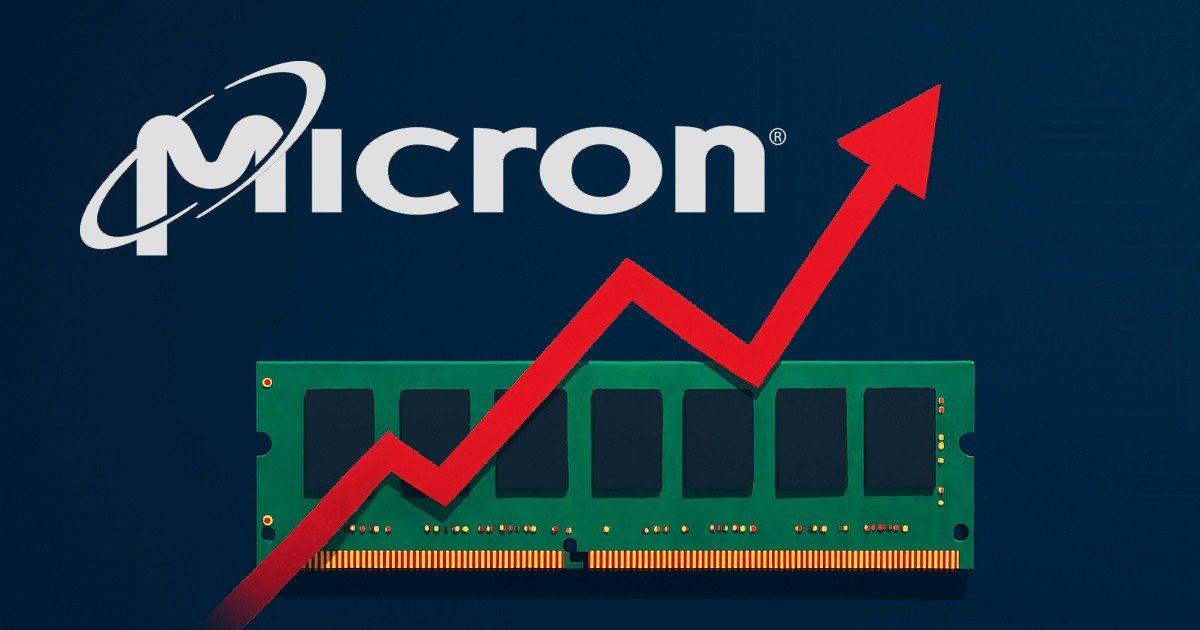
If you’ve tried to build a PC or even shop for a laptop lately, you’ve probably felt it. Memory prices are climbing fast, too fast. What started as a small bump has turned into something closer to a freefall in reverse, a crisis that feels bigger every week.
And then came December 3. Micron Technology announced it was leaving the consumer memory business. Just like that. For decades, Micron’s Crucial brand was the go-to for affordable RAM and SSDs. Now it’s being shut down, not because sales were bad, but because the math pointed elsewhere. Profit margins are better in AI, so the factories that once made DDR5 for gamers are being retooled to churn out High Bandwidth Memory for data centres.
It’s strange to think about. One day, you’re buying a Crucial SSD for a budget build, the next, the brand is essentially gone.
The End of Crucial
Crucial lasted 29 years. That’s a long time in tech. Reliable, cheap, familiar. I remember swapping in a Crucial stick during a late-night upgrade years ago, it wasn’t glamorous, but it worked, and that was the point.
By February 2026, shipments will stop. No more consumer products. Micron’s exit leaves Samsung and SK Hynix as the only real players left, and even they’re shifting focus toward enterprise customers. Which means the consumer market is shrinking into a corner, almost by accident.

The “AI Tax”
The reason is obvious, though maybe frustrating. AI data centres are devouring memory. Microsoft, Google, OpenAI; everyone’s racing to build bigger, faster systems. The kind of memory they need, HBM, is complicated to make and far more profitable than the sticks you and I buy for a desktop.
Tech commentator Austin Evans broke it down in a recent video. He pointed out that HBM is stacked vertically, tricky to manufacture, and worth more per unit than consumer RAM. That’s where the money is, so that’s where the production goes.
The fallout is already visible:
- A 32GB kit of RAM that cost $90 in September now sells for $250. Three months, nearly triple the price.
- Pre-built manufacturers like CyberPowerPC are raising prices, citing a 500% increase in their own memory costs.
- Rumours suggest OpenAI has locked down huge portions of global DRAM supply, leaving little for anyone else.
It feels like consumers are paying an “AI tax,” even if no one calls it that officially.
Hardware in Limbo
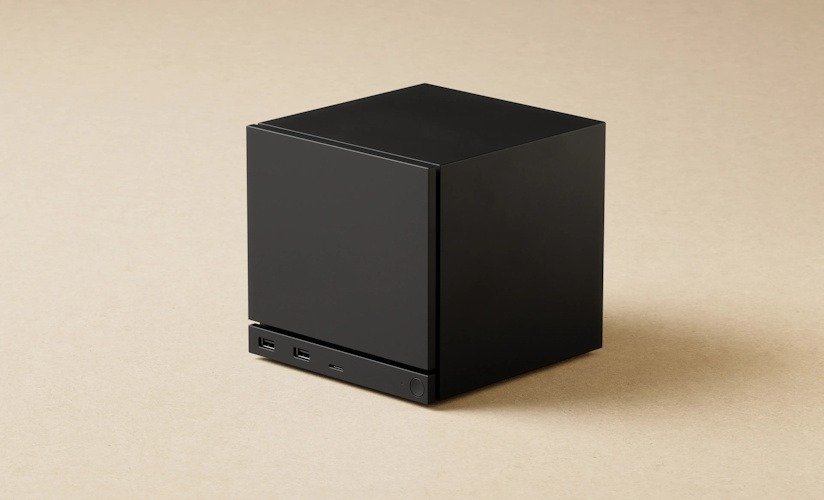
The ripple effects are hitting new products, too. Valve’s upcoming Steam Machine, a console-PC hybrid, is caught in the storm. Specs suggest it should compete with a PlayStation 5 at around $499. But with memory costs where they are, that number looks unrealistic.
Some estimates put the launch price closer to $699. Honestly, that sounds more believable now. Companies are hesitant to commit to pricing because the cost of raw materials changes week by week. It’s hard to plan when the ground keeps shifting.
Looking Ahead
Analysts don’t see this as a temporary bubble. Micron’s exit is permanent, and Samsung and SK Hynix are booked solid through 2026 with server contracts. Consumer DDR5 and SSD NAND will stay scarce.
TrendForce predicts prices will keep rising into the first half of 2026. The chance to “buy cheap” has already passed. Evans summed it up bluntly: the lines that once made DDR4 and DDR5 for PCs are now dedicated to HBM for AI servers.
So yes, the era of cheap memory is gone. AI is reshaping the supply chain, and gamers, hobbyists, and everyday PC buyers are left holding the bill.




Recent Comments