

The launch of Spacetalk’s new app and its so-called “Freedom Platform” was meant to be a turning point, a deliberate shift from selling hardware to building a subscription-driven ecosystem. On paper, it sounded clever. At the 2025 AGM, the company painted a picture of long-term growth and recurring revenue. But the reality? It’s messy. The rollout failed, and the way they plan to monetise this platform raises some uncomfortable questions.
Big Strategy, Bigger Problems
Spacetalk positioned the Freedom Platform as the centrepiece of its future. Even the name feels loaded, Freedom, evoking ideas that don’t quite match the experience parents are having right now.
The AGM was full of optimism. They talked about hitting $20–25 million in Annual Recurring Revenue by 2026, mostly through subscriptions. Ambitious, sure. But that goal depends on keeping existing customers happy, and the launch did the opposite. Parents reported outages, broken features, and communication failures. In Australia, one of their core markets, the service degradation was severe.
The idea behind the platform is sound: keep families in the ecosystem as kids grow from watch users (ages 6–12) to smartphone users, even seniors. That way, Spacetalk maximises Customer Lifetime Value. They even bragged about being live in “30+ markets and 16 languages.” But global reach doesn’t mean much when the basics fail at home.
The truth is, this strategy only works if the app is rock solid. And it wasn’t.
Monetising Families: Data and Predictive Services
Digging into the AGM material, you see where Spacetalk wants to go. It’s not just about keeping users—it’s about using the data families generate.
- Data-Enabled Services: They hinted at “global safety solutions” and “data-enabled services.” That sounds like turning location trends, safe zones, and communication patterns into premium features or even B2B partnerships.
- Predictive Tech: They’ve secured IP for “predictive” capabilities. Think machine learning that anticipates risks, like falls or unusual behaviour, based on real-time data. It’s clever, but it also means families are feeding a constant stream of personal information into the system.
- The Dollarmite Analogy: Some investors compared this to the Commonwealth Bank’s Dollarmite program; hook kids early, keep them for life. Spacetalk’s version? Start with a watch, then move them to Spacetalk Mobile plans. It’s a lifetime revenue pipeline, built on trust and data.
Parents Call It a Disaster
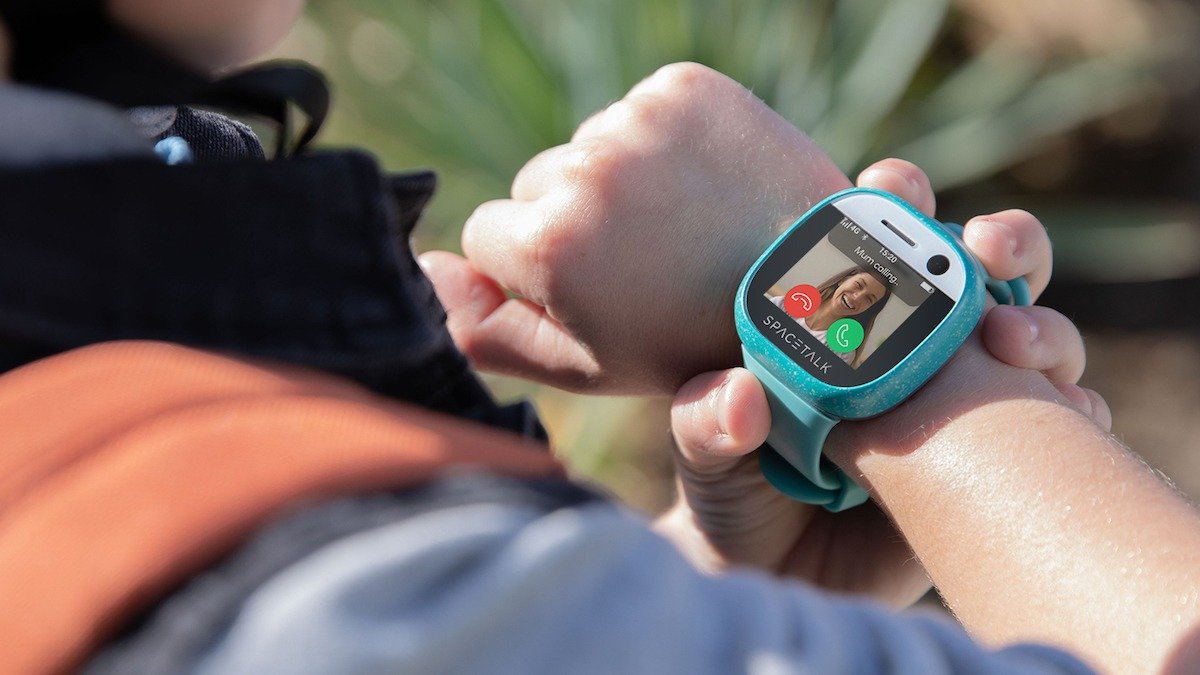
Here’s the problem: the strategy sounds great in a boardroom, but parents just want a device that works.
- Safety Compromised: The watch’s core function, quick, reliable communication and location tracking, stopped working for many. That’s not just inconvenient; it feels unsafe.
- Added Friction: Suddenly, every approved contact, grandparents, friends, must download the Spacetalk app and join a “Space.” What was simple is now complicated.
The AGM talked about retention and predictive services. But the launch showed something else: a company willing to sacrifice user trust for a software-first future.
A Personal Take
For our family, the watch was perfect because it was limited. It gave our child a safe way to stay connected without the distractions of a full smartphone. That balance mattered. Now, it’s gone. Forcing every trusted contact to download an app just to send a message? That’s a deal-breaker.
Next year, when our child starts high school, they’ll get a hand-me-down iPhone with a SIM. The watch could have been passed on to another family. Instead, it’s headed for the e-waste pile, killed by an update that prioritised ecosystem control over user experience.




Recent Comments