
In a genre that usually sticks to its lanes, strategy here, action there. OTHERWAR doesn’t seem interested in playing by the rules. It’s one of those games that makes you pause and go, “Wait, this actually works?” Because on paper, combining Tower Defense with Bullet Hell sounds like a recipe for chaos. But somehow, it clicks.
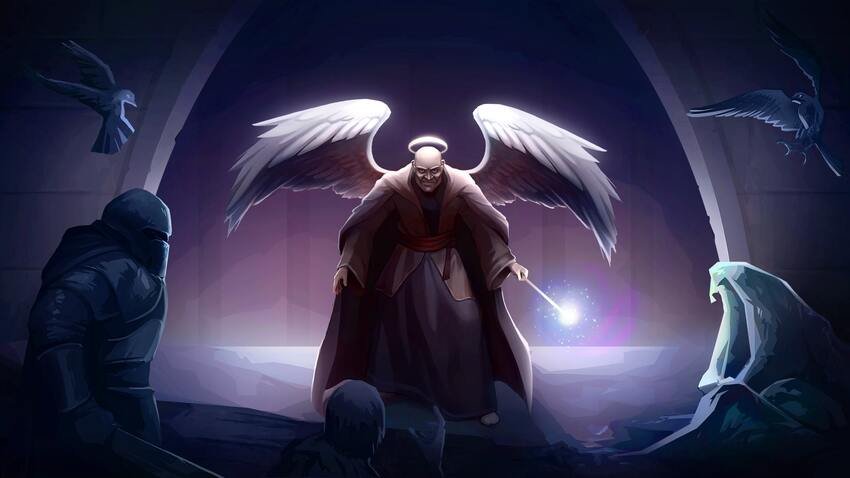
You play as an Angel. Not the serene, harp-strumming kind; this one’s armed and airborne, defending the Gate of Heaven from wave after wave of demonic invaders. It’s a bit intense. You’re constantly juggling two mindsets: one part tactical commander, one part arcade dodger. You build towers, sure, but you’re also right there in the thick of it, weaving through enemy fire and blasting back.
Gameplay That Keeps You Busy
The tower defense side of OTHERWAR is pretty solid. You’ve got ten tower types, each with its own quirks. Some hit hard, some slow enemies down, some just kind of… exist until you figure out what they’re good for. You’ll probably spend a few rounds experimenting, wondering if you’ve made the right call. I did. But more often than not, I didn’t. I’d place something thinking it was clever, only to watch it get overwhelmed in seconds. Then I’d swap it out, try something else, and still end up second-guessing myself. It’s not frustrating exactly, more like a slow burn of trial and error. You start to learn which towers complement each other, which ones are situational, and which ones you avoid unless you’re feeling reckless.
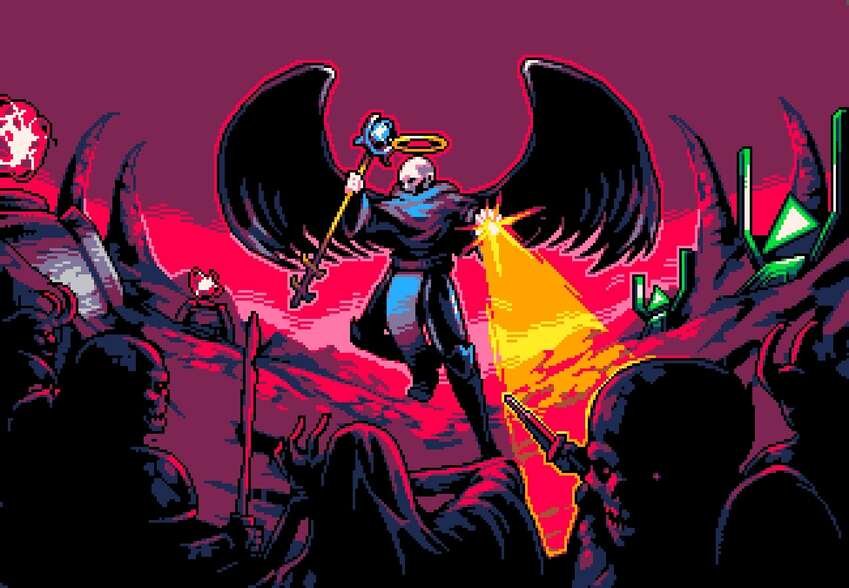
Then there’s the bullet hell part. It’s fast. Like, really fast. You’re flying around, dodging patterns that feel almost unfair until you get the rhythm. I struggled with the aim-and-hold mechanic on the right stick. Maybe it’s just me, or maybe I haven’t played enough twin-stick shooters lately. Either way, it took a while to feel natural. There were moments where I’d be so focused on dodging that I’d forget to shoot, or I’d line up a perfect shot and then get clipped by some stray projectile I didn’t see coming. It’s chaotic, but in a way that feels intentional. Like OTHERWAR wants you to be just slightly overwhelmed.
What’s clever is how the two systems feed into each other. Every demon you take down gives you resources to build more towers. So you’re not just surviving, you’re actively shaping the battlefield while trying not to get obliterated. It’s a loop that feels rewarding, even when you mess up. Sometimes I’d get into a flow, dodging and shooting and building all at once, and it felt great. Other times, I’d misplace a tower, take a hit, and suddenly everything would unravel. But even then, I didn’t feel punished. Just nudged to rethink my approach. There’s a rhythm to it, but it’s not rigid. You’re improvising constantly, and that keeps it interesting.
Progression That Feels Earned
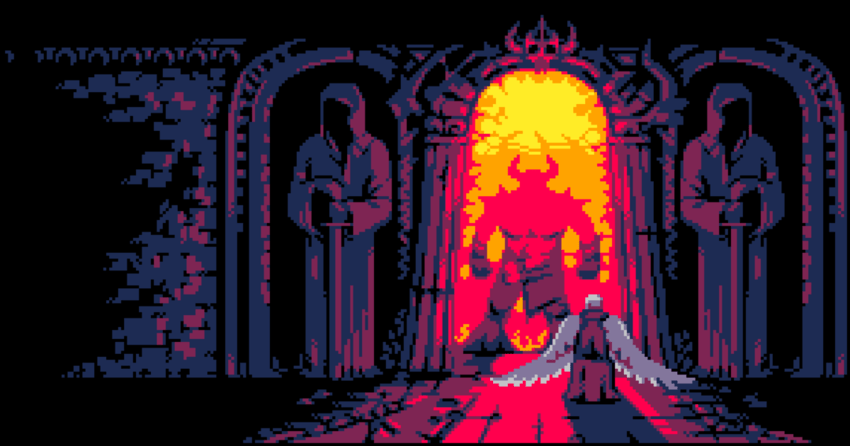
As you level up, your Angel gets stronger. There’s a skill tree, of course, attack upgrades, movement boosts, and resource bonuses. The usual suspects. But it’s paced well. You don’t feel overpowered too quickly, and there’s enough variety to keep you tinkering with builds. I found myself hesitating over choices more than I expected. Do I go for raw damage early on, or invest in speed so I can dodge better? Sometimes I’d pick something that sounded useful, only to realise a few levels later that I’d backed myself into a weird corner. It’s not punishing, though. You can adjust, experiment, and slowly shape your Angel into something that fits your playstyle, even if that playstyle is mostly chaotic button mashing! Thank you, Street Fighter 2, for teaching me this skill!
OTHERWAR’s split into three main zones, each with its own enemies and vibe. It’s not a massive world, but it’s enough to keep things fresh. You’ll notice the shift in tone between area; not just visually, but in how the enemies behave. Some zones feel more aggressive, others more methodical. I didn’t always pick up on the patterns right away, but after a few runs, you start to anticipate what’s coming. Or at least try to.
Visually, it leans into that chunky 8-bit aesthetic. I wasn’t sure about it at first; I thought it might be distracting, but it grew on me. There’s something comforting about the simplicity. It reminds me of older games, but it doesn’t feel dated. The pixel art is clean, but not overly polished. It has that slightly rough edge that makes it feel handmade, in a good way. Like someone actually sat down and built this with care, not just dropped assets into a template. The colour palette of OTHERWAR is bold, sometimes a bit loud, but it works. It’s not trying to be subtle; it’s trying to be fun.
And honestly, it is.
Final Thoughts
The gameplay, while simple at first glance, has its challenges. I wasn’t great with the aim-and-hold mechanic on the right stick; it felt awkward. Probably just a lack of muscle memory for twin-stick controls. It took a few runs before it started to feel natural, and even then, I’d still mess up under pressure. But that’s part of the appeal. It doesn’t hand you precision; you earn it.
Visually, OTHERWAR leans into a chunky 8-bit style, full of boxy sprites and bold colours. I was unsure at first, thought it might be distracting, but it grew on me. There’s something refreshing about stepping away from ultra-polished graphics and diving into something that feels handmade. Nostalgic, but not dated.
OTHERWAR isn’t trying to be the next big thing. It’s not flashy, and it doesn’t hold your hand. But it’s got heart. And a weirdly satisfying gameplay loop that kept me coming back even after a few frustrating losses. It’s rough around the edges, but in a way that feels deliberate. Like the devs knew exactly what kind of chaos they were inviting and leaned into it.
Would I recommend it? Yeah, I think so. Especially if you’re after something different. OTHERWAR is not perfect, and it doesn’t pretend to be. But it’s fun, and it’s got just enough bite to keep you on your toes. Try it. See if it clicks for you. And good luck dodging those projectiles.




Recent Comments