
As a self-confessed old-school, sweaty Call of Duty player, the kind who still remembers the glory (and heartbreak) of midnight launches, and who’s spent more hours than I’d care to admit grinding for that elusive nuke, there are few things that get my heart racing like a new Black Ops reveal. The franchise has always been more than just a game for me and countless others: it’s a cultural touchstone, a proving ground for friendships, rivalries, and some truly questionable late-night tactics.
With Black Ops 7 on the horizon, I couldn’t pass up the chance to sit down with someone at the heart of it all: Miles Leslie, Associate Creative Director at Treyarch. In this interview, we dive deep into what’s next for the series, how the team balances nostalgia with innovation, the wildest fan theories they’ve ever seen, and what it’s like to craft a story that’s as much about the players as it is about the characters. Whether you’re a grizzled veteran who still drops shot out of habit or a newcomer just picking up your first controller, get ready for a behind-the-scenes look at the future of Black Ops, and maybe a few surprises along the way.
So, grab your favourite loadout and let’s jump into this interview!
Dez: Thank you so much for sitting down with us, Miles. I have to admit, I was a very dedicated Call of Duty player in my youth. I remember getting cool promotional stuff from the collectors’ editions like a remote control car, a drone & even night vision goggles. But that’s a story for another time! Let’s get started. What’s the core creative vision behind Black Ops 7, and how does it evolve the franchise?
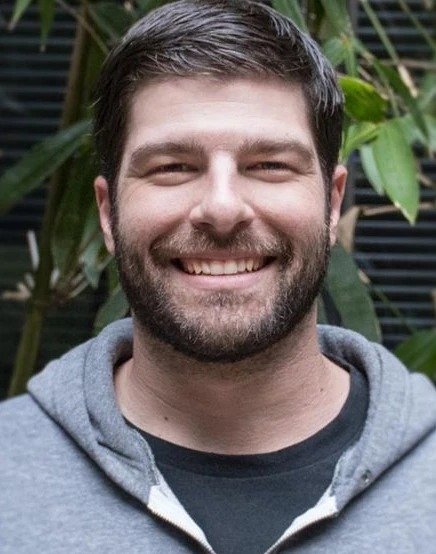 Miles Leslie: Yeah, I think the start of it is this new era, 2035, right? It really started from, and it’s interesting because it’s new, but it’s kind of returning, you know, because we went to 2025 in Black Ops 2. We set our own future, and players fell in love with that. Then we left so much more story at the end that we always wanted to come back. So Black Ops 7’s vision was, let’s go back to the near future, let’s finish that story. What happened to David in the world? That gives us the ability, with the ten-year time jump, to show how characters progressed. What gadgets and gear can we put into them? But at the heart of that is David Mason and his story; dealing with his fears and regrets. It’s a character-driven story where he has to face, literally sometimes, his fears in front of him. The question is, are you going to run through that fear or run away? Sometimes he needs his squad to help him get through, and I think that’s also why co-op made sense: you and your friends embody those characters in the story.
Dez: Yeah, I must say, the death of his father still cuts deep. That was one of those pivotal moments in video games that made me realise this is more than a game. How did you and your team approach balancing nostalgia, given the deep history you’re drawing from, while still being innovative and making it feel like its own game?
Miles Leslie: That’s a good question, and it was a challenge, to be honest. We’re going back to a time, and as developers, we were excited to tell the story. At a certain point, you’ve gone so far into the story that if anyone new comes in, they’d be lost. So you have to self-regulate and find that sweet spot: it’s a story that can stand on its own if you know nothing, but if you’re a fan, there are payoffs. For example, you might meet Troy Marshall and think, “That character’s cool,” then look him up and realise he was in Black Ops 6. It’s a jumping-off point for new players and a payoff for longtime fans. It was tough, but I think we found the right balance.
Dez: Looking at the video you showed this morning, as an old fan, it’s very exciting. What was one design decision you fought hard to keep in, or a moment, tease, or mechanic that you think will surprise long-term fans?
Miles Leslie: Some of these would be spoilers, but I will say for fans: there are moments we return to or experience from a different point of view. If you’re a fan, you’ll be super excited. Some of these have been teased in the trailers, but there are pivotal moments where David Mason gets to explore his trauma, and it’s almost the trauma of the players, too. We really fought hard for that: how can we elicit these feelings while maintaining balance? I’m excited for people to play it and have those “Oh my god!” moments.
Dez: I guess it’s going to be exciting for you to see as these mechanics and surprises come through and long-term fans start talking about them. The game is set in 2035, how have real-world events or cultural shifts influenced the tone or theme of Black Ops 7?
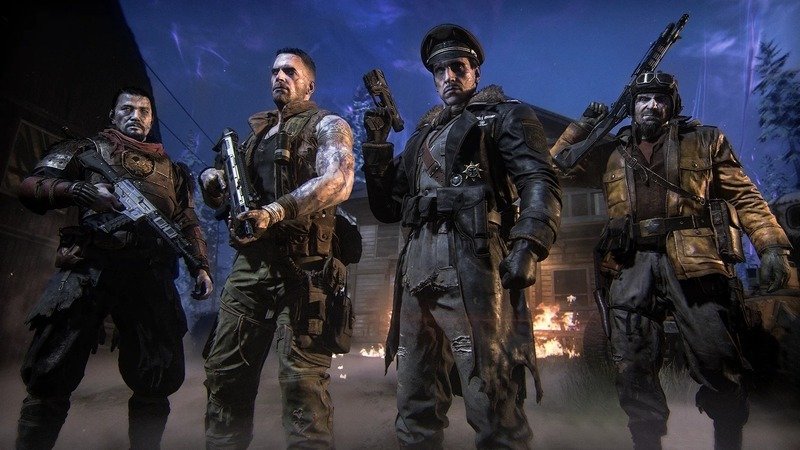
Miles Leslie: We’re always looking for ways to ground it in the plausible and real. Black Ops 2 predicted a lot because we did our research. Now, we’re living in a time with quadcopters, drones, and bipedal robots; none of that is shocking anymore. So, to put that in, it’s like, “Of course.” We have to find other elements to push the Black Ops nature, like the story behind the scenes, interesting character moments, and gadgets. For example, we have an energy launcher that can shoot out scorestreaks from the sky, based on real-world technology. Militaries are developing railgun energy prototypes, so we thought, “Let’s take that and make a personalised version for soldiers.” We’re constantly looking at real-world things to ground it, but we try to predict where the world’s going and put it through the lens of Black Ops. We’re still entertainment and escapism, we’re not trying to replicate exactly what’s going on in the world.
Dez: That’s something I’m very excited for. Let’s go into something a little more personal. You’ve been with the company for decades, what’s been your proudest moment working on Call of Duty and Black Ops?
Miles Leslie: I have a lot of fond memories. Working on so many different games, it’s hard to pick one. World at War was my first game, and working with the team, crafting that when we were all a bunch of nobodies, was so exciting. It formed a sort of band of brothers and sisters. Black Ops 1 was a turning point when we figured out what it meant to be Black Ops in terms of storytelling. Black Ops 2 was really awesome, at the peak of our confidence and style, constantly changing the formula. We went to double eras, which was pivotal. I think of all these games as layers on a cake. I’m still really proud when we launch a game and see the reception. Even though I’m old, it still gives me goosebumps. I still remember midnight releases; we don’t have those anymore, but I wish we did. Still, that day of launch and seeing how people respond is really exciting.

Dez: That’s great, and it’s funny you mention the band of brothers, which is what the Black Ops teams often are. Now, some fun questions: what’s your go-to loadout when you play with friends?
Miles Leslie: It depends on the mode, so give me a mode. Okay, TDM, Hardpoint, Domination, depends. I don’t have the same loadout for everything. If my mates aren’t shooting down scorestreaks, I’ll switch to a launcher and take them out. Sometimes I’ll be a slayer and just go for kills, other times I’ll focus on objectives with trophies and stuns. It really depends.
Dez: I tend to stick with sniper. I’ve always liked Overwatch. But I always forgot there are so many different game modes, as the boys always played the same one! So, what’s the weirdest or most unexpected fan theory you’ve heard about a Black Ops story?
Miles Leslie: There are a lot, especially with Alex, too. Some of the theories, honestly, we look at and think, “Man, we didn’t think of that, maybe that is the story!” Sometimes we don’t have all the answers and leave things open-ended to inspire theorycrafting from the community. Some are wild, some are absolutely not, and others are cool.
Dez: I’ve seen some that made me think, “That would work so well!” Just a few more quick questions: what’s your favourite mission of all time?
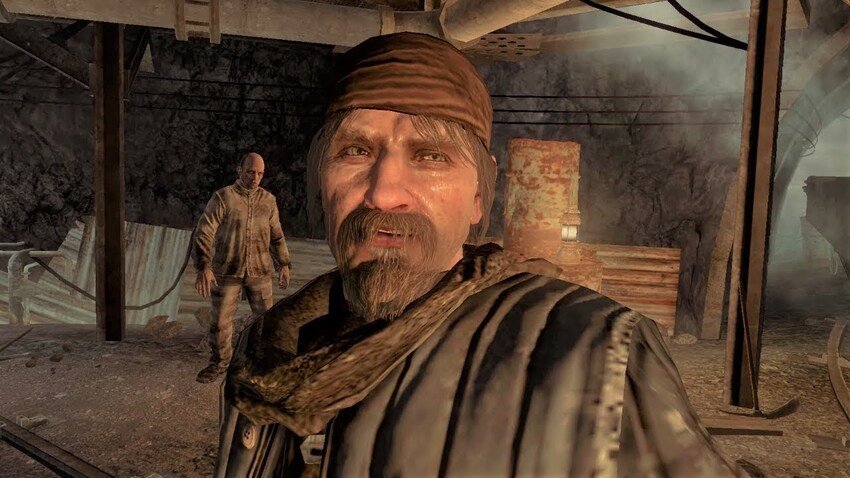
Miles Leslie: That’s tough! The one that pops into my head is when Alex Mason and Reznov escape Vorkuta. You start the mission fighting each other, then take out the guards, and Reznov says, “Let’s go, Alex, brother!” You’re running out of the tunnel, get outside the prison, take out the guards, jump on the truck, and then he says, “For you, Mason.” But he doesn’t come with you, and you’re left wondering what just happened. Moments like that make the series great.
Dez: That was wild! I had to take a break after that scene. It hit so hard and yet was so confusing. Next: Zombies or just normal Call of Duty, what’s your favourite?
Miles Leslie: I can’t pick! My friends and I move around. We’ll sweat it out in multiplayer, then chill out and do some Zombies. It’s like a palate cleanser, depending on the mood.
Dez: Love Zombies for that reason! Last one: one sentence to describe Black Ops 7 in your words.
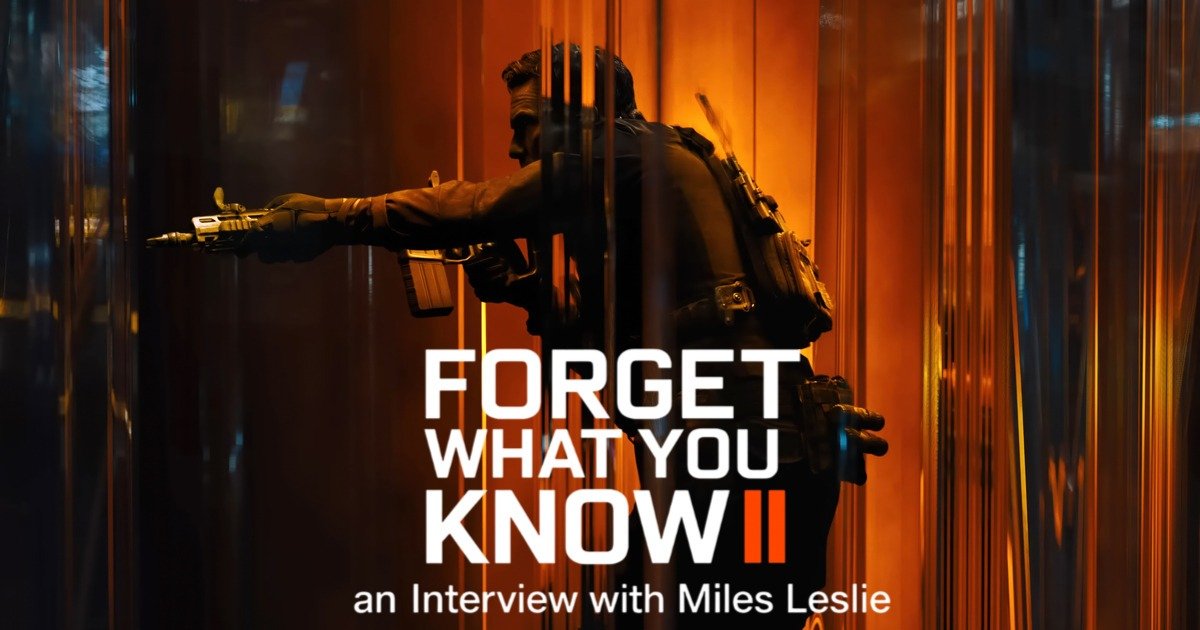
Miles Leslie: For you, someone like you may know this quote, but I still think it fits here: “Forget what you know.”
Dez: I love it. Thank you so much, Miles. This has been an absolute pleasure. As I said, I’m a big fan, and it’s been a highlight to talk with you. Thank you for your time, and have a safe trip home!



Recent Comments